What the Demo Shows and What It Hides Until You Deposit
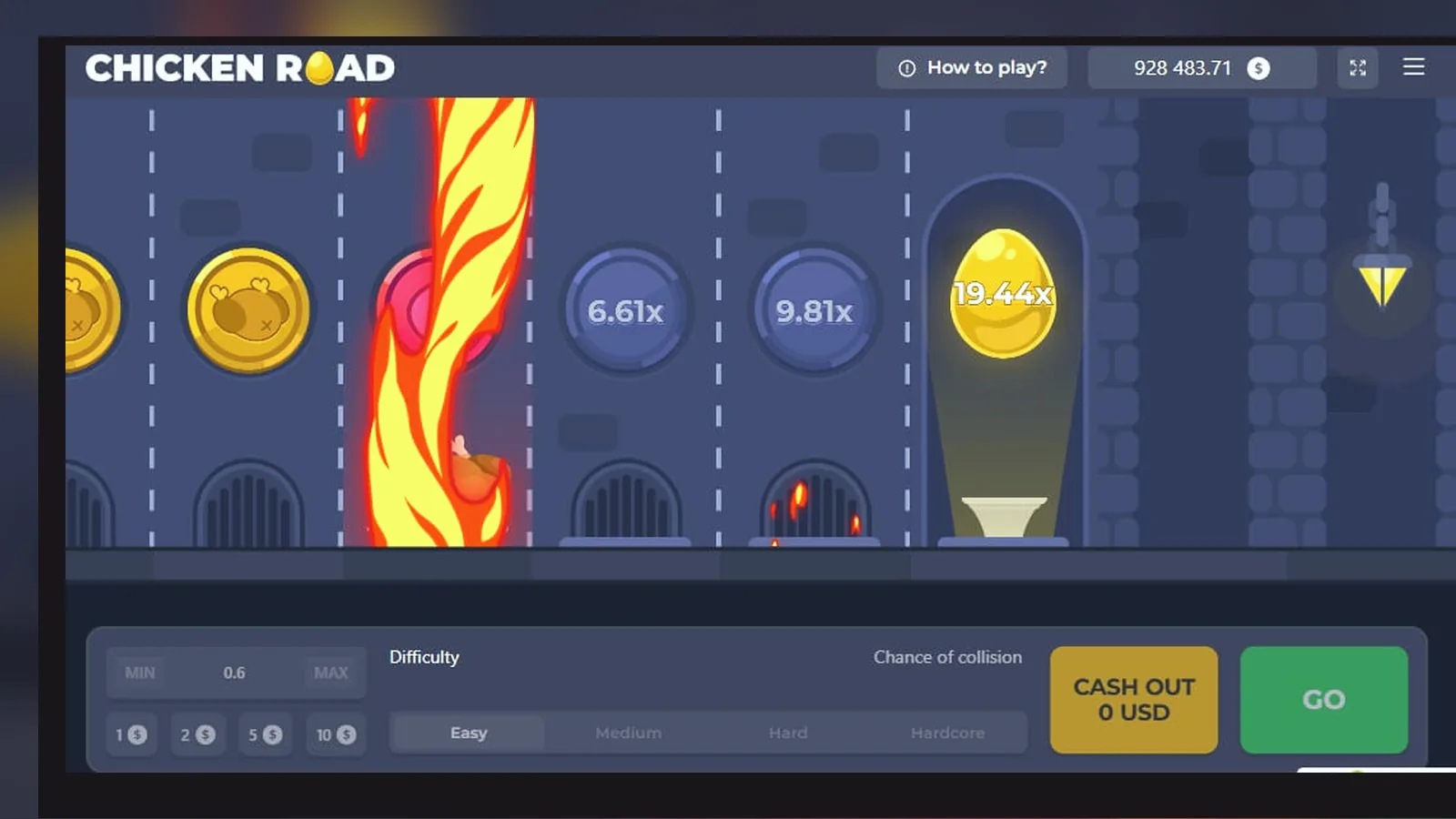
Since late 2023, most UKGC-licensed operators show demo play only to logged-in accounts that have passed age verification. The change follows stricter advertising rules: free play can't be a route around the 18+ gate. What you see in the demo — the bet slider, the multiplier curve, the cash-out button — looks identical to real money mode, but three layers of friction appear the moment you deposit: stake caps by age, affordability checks from £150 net deposits a month, and KYC documents before your first withdrawal.
Chicken Road 2 sits in the crash category where demo and real sessions feel almost identical during play, yet the real-money version brings regulatory steps that the demo never mentions. This guide walks through what changes, what stays the same, and how to move from free play to a low-risk real deposit without surprises.
How Demo Access Works on UK Sites Now
Three years ago, you could click « Play for Fun » on any slot or crash game without logging in. Today, nearly every UKGC-licensed site asks you to register and verify your age before the demo button appears. The operator checks your name and date of birth against credit-reference databases — the same first-stage affordability screen that triggers at £150 deposits — and confirms you're over 18. No money changes hands, but the site logs your session and ties it to a verified account.
On mobile, the flow is faster: enter your phone number, receive a code, confirm your date of birth, and the demo loads in the browser. No app install is required; crash games almost always run as web apps because real-time WebSocket connections work better in a browser than a sandboxed APK. Google Play and the App Store both allow UK real-money gambling apps from licensed operators, but most crash providers choose the browser route to avoid the update cycle and storefront cuts.
- Registration and age check before demo access on most sites
- Name and date of birth matched against credit-reference data
- Demo session logged and tied to your account
- Browser-based play on mobile, no separate app in most cases
What a Demo Session Looks Like
You load the game, select a bet from £0.10 to £100.00, and watch the multiplier climb. The demo balance starts at £1,000.00 in play money; when it runs out, refresh the page and it resets. The RTP, volatility curve, max multiplier, and cash-out latency match the real version because the demo uses the same RNG seed pool and client code. The only difference: no money moves and no regulatory caps apply.
The pace feels identical to real play. Each round lasts 5–30 seconds depending on where the crash lands, the next round starts after a 5-second countdown, and you can queue your next bet during that countdown. The interface shows a live multiplier graph, a leaderboard of recent wins, and a chat sidebar. In demo mode, the leaderboard populates with other demo players or a mix of demo and real sessions, depending on the operator's back-end setup.
The Numbers That Change When You Switch
The moment you deposit, three numbers shift. First, the bet range drops to £0.10–£5.00 if you're over 25, or £0.10–£2.00 if you're 18–24. The UKGC introduced the £2 cap in April 2024 to limit young-adult losses on high-speed games; the age check at registration determines which cap applies. Second, the withdrawal queue appears: your first cash-out waits 24–48 hours while the compliance team checks your documents — passport or driving licence, proof of address, and sometimes a bank statement. Third, affordability checks trigger at £150 net deposits in a rolling month, pulling data from Equifax or TransUnion; if the algorithm flags a mismatch, the site pauses your account and asks for payslips or tax returns.
The RTP, max multiplier, and crash distribution stay identical. A 1.50× cash-out in demo mode has the same probability as a 1.50× cash-out at real money, and the 10,000× ceiling remains in place. The volatility curve doesn't change: roughly 60 per cent of rounds crash below 2.00×, 25 per cent land between 2.00× and 5.00×, and 15 per cent reach higher multipliers. The house edge — typically 3–4 per cent on crash games — sits in every round, demo or real.
| Parameter | Demo Mode | Real Money (18–24) | Real Money (25+) |
|---|---|---|---|
| Max Bet per Round | £100.00 | £2.00 | £5.00 |
| Withdrawal Process | None | 24–48 h KYC, then 1–3 days | 24–48 h KYC, then 1–3 days |
| Affordability Check | None | From £150 net deposits/month | From £150 net deposits/month |
| RTP | 96.00–97.00% | 96.00–97.00% | 96.00–97.00% |
| Max Multiplier | 10,000× | 10,000× | 10,000× |
What the Demo Hides
Three friction points never appear in demo mode. The first is bonus wagering: if you claim a welcome offer — common examples include a 100 per cent match up to £50.00 or 50 free spins — you'll face a 30× to 50× wagering requirement before you can withdraw. A £20.00 deposit with a £20.00 bonus and 35× wagering means you must turn over £1,400.00 in total bets before the balance becomes cash. Crash games often contribute 100 per cent to wagering, but check the terms; some operators cap crash contribution at 50 per cent or exclude high-volatility titles entirely.
The second is payment-method restrictions. Credit cards have been banned for UK gambling since April 2020; you'll deposit via debit card, PayPal, Apple Pay, Open Banking through Trustly, or paysafecard. The payment method must be in your own name — joint accounts are fine if your name appears on the statement, but you can't use a partner's card or a corporate account. Withdrawals go back to the same method or to a UK bank account via Faster Payments; e-wallets clear in a few hours to 24 hours, while debit-card refunds take 1–3 working days.
The third is self-exclusion. If you've registered with GAMSTOP — the UK-wide scheme that blocks access to every UKGC-licensed site for six months to five years — the demo won't load. The age-verification gate checks the GAMSTOP database before granting access, so even free play is off-limits during the exclusion period. Once excluded, there's no early exit; the only route back is to wait out the term or seek support from BeGambleAware.
- Bonus wagering requirements (30×–50×) before withdrawal
- Payment-method rules: no credit cards, own-name accounts only
- GAMSTOP checks at the demo gate; excluded players see no access
Demo on a Phone
Chicken Road 2 scales cleanly to a mobile screen. The multiplier graph shifts to portrait orientation, the bet controls sit at the bottom, and the leaderboard collapses into a swipeable drawer. Touch latency matters more on a phone than on desktop: if the cash-out button lags by 200 milliseconds, you'll miss the target multiplier. Test the demo over 4G and Wi-Fi to gauge the network delay; a stable Wi-Fi connection usually delivers 50–100 ms round-trip to the game server, while 4G can swing from 80 ms to 300 ms depending on signal strength.
The demo runs in your mobile browser — Safari on iOS, Chrome on Android — without installing anything. Some UKGC sites offer a progressive web app shortcut: tap « Add to Home Screen » in the browser menu, and an icon appears on your launcher. The PWA loads faster than reopening the browser each time, but the underlying technology is the same WebSocket stream. No separate APK or App Store download is required, and the demo balance and age-verification status carry over between devices as long as you're logged into the same account.
The Lowest-Risk Route to Real Money
Once you've tested the demo and understand the crash timing, the safest first deposit is £10.00–£20.00 without a bonus. Skipping the bonus means no wagering requirement and instant access to withdrawals after KYC clears. Set a stake at the lower end — £0.20 or £0.50 per round — and play ten to twenty rounds to confirm the pace and cash-out latency match what you saw in demo mode. If you hit a modest win, withdraw it immediately; the first withdrawal triggers document checks, and you'll know within 24–48 hours whether your ID and proof of address pass muster.
If you do claim a bonus, read the full terms before depositing. Look for the wagering multiplier, the list of excluded games or capped contributions, the maximum bet per round during wagering (often £5.00, which matches the general stake cap anyway), and the expiry window. A 100 per cent match up to £50.00 with 35× wagering and seven days to clear means you must wager £3,500.00 in a week — achievable on a crash game if you play daily, but tight if you dip in once or twice.
Check the operator's UKGC licence number in the footer and look it up in the public register at gamblingcommission.gov.uk. The register shows the licence holder's name, the licence issue date, and any conditions or enforcement actions. A clean record and a licence held for several years is a stronger signal than a brand-new licence or a recent change of ownership. Affordability checks apply equally across all UKGC operators, but the internal thresholds vary: some trigger at exactly £150.00 net deposits, others at £200.00 or £250.00. The £150.00 figure is the regulatory floor; the operator can be stricter.
- First deposit: £10.00–£20.00 without bonus for clean testing
- Stake low: £0.20–£0.50 per round to extend playtime and gauge latency
- Withdraw a small win early to trigger KYC and confirm the process
- If claiming a bonus, check wagering, game contributions, and expiry
- Verify the operator's UKGC licence number in the public register
FAQ
Do I need to register to play the demo on a UK site?
Yes, nearly every UKGC-licensed operator now requires a registered account and age verification before the demo loads. The site checks your name and date of birth against credit-reference data to confirm you're over 18. A few older aggregator sites still offer unverified embeds, but those sit outside the regulated framework and provide no route to real money on a licensed platform.
Does the demo use the same RTP and volatility as real money mode?
Yes. The demo runs the same RNG seed pool, multiplier distribution, and house edge as the real version. A 1.50× cash-out has identical probability whether you're playing with £1,000.00 demo balance or £10.00 real money. The only difference: no regulatory stake caps apply in demo mode, so you can bet up to £100.00 per round instead of the £2.00 or £5.00 limit that appears when you deposit.
What triggers the affordability check after I switch from demo to real money?
The UKGC requires operators to run affordability checks from £150.00 net deposits in a rolling month, using credit-reference data at the first stage. If you deposit £200.00 and withdraw £100.00, your net deposits sit at £100.00 and no check fires. Cross £150.00 net, and the algorithm pulls data from Equifax or TransUnion; if it flags a mismatch with your declared income or expenditure, the site pauses your account and requests payslips or tax returns. The threshold can vary — some operators set it at £200.00 or £250.00 — but £150.00 is the regulatory floor.