What You Actually Get with Chicken Road 2: Rating 6/10
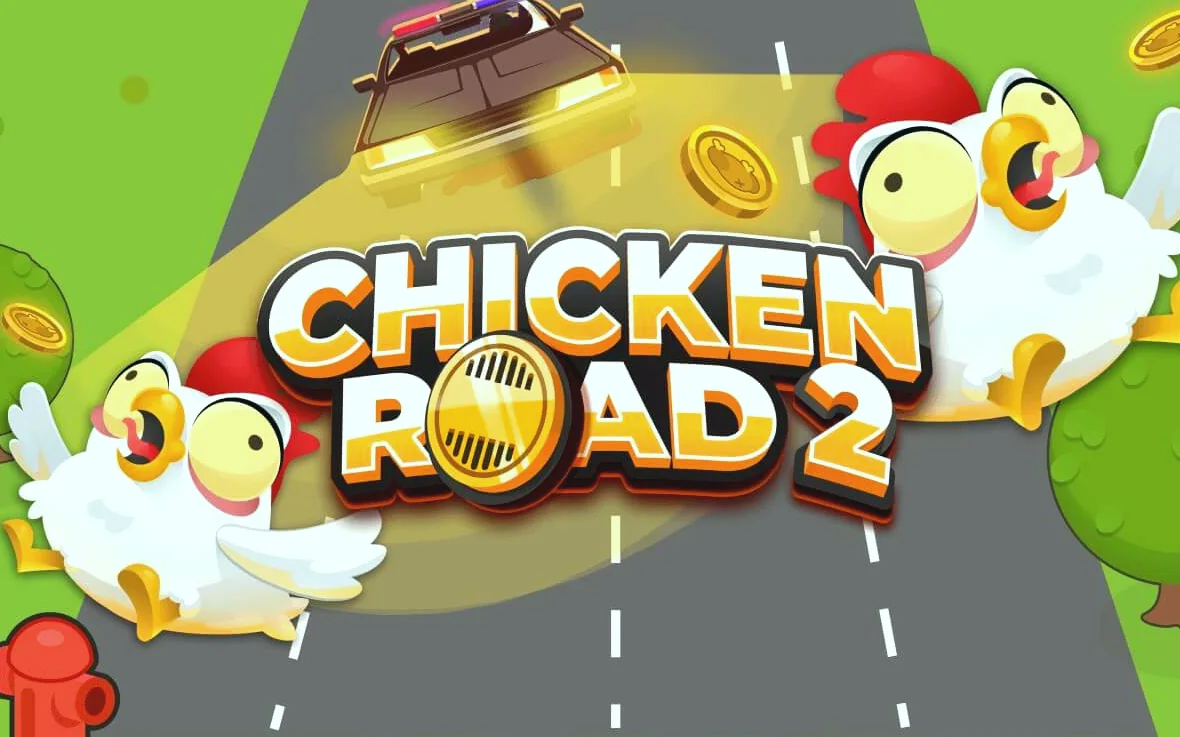
Chicken Road 2 sits in the middle of the crash-game spectrum: not remarkable, not terrible. It'll work for casual sessions when you want something straightforward, but it won't give you the feature depth or visual polish of newer titles. The maths is standard, the mobile build is clean, and it behaves predictably on UKGC-licensed sites—which means it follows the £5 stake cap and plays nicely with affordability checks from £150 a month.
We've scored it 6 out of 10. That's honest, not harsh. If you're after a no-frills crash experience and you're comfortable with medium-high volatility, it'll do the job. If you want bonus rounds, progressive features, or anything beyond «watch the multiplier, cash out before it crashes», look elsewhere. Below, we'll show you the numbers that matter, what a real session looks like on a £20 budget, and three alternatives that might suit you better.
The Scores: What We Measured and Why
We rate crash games on six criteria: maths transparency, bonus-round design, pace, mobile experience, visual design, and how the game handles bonus-wagering. Each one gets a score out of 10, weighted by how much it affects your actual play. Here's where Chicken Road 2 lands.
| Criterion | Score | Reason |
|---|---|---|
| Maths & RTP | 7/10 | Standard crash RTP around 97–98%, publicly listed by most UKGC operators. Volatility is medium-high: longer losing streaks, occasional big multipliers. |
| Bonus Round | 3/10 | None. It's a pure crash game with no side features, no free bets, no multiplier boosts. That simplicity is the point, but it limits replay value. |
| Pace | 8/10 | Rounds last 5–15 seconds, auto-cashout works reliably, and there's no forced animation. You can play 20 rounds in five minutes if you want. |
| Mobile | 7/10 | Browser-based, loads quickly on 4G, touch controls respond well. No app needed, which suits the UK market—most operators serve crash games as web apps anyway. |
| Design | 5/10 | Functional but dated. The grid is clear, the multiplier is legible, but the visuals feel like a 2019 release. Not ugly, just plain. |
| Bonus Friendly | 6/10 | Crash games usually count 100% toward wagering on UKGC sites, but the volatility makes it risky for bonus clearing. You'll need a bigger buffer than you would on a low-volatility slot. |
Average that out and you get 6 out of 10. It's competent in the areas that matter for short sessions—maths, pace, mobile—but it offers nothing extra. If you've played Aviator or JetX, you've seen this formula before.
What the Numbers Mean in a Real Session
RTP and volatility are factory specs; here's what they look like when you're playing. Say you start with £20.00 and bet £0.50 per round. On a standard crash game with 97.5% RTP and medium-high volatility, you'll likely see:
- 10–15 losing rounds in a row at some point in the session.
- One or two multipliers above 5x if you play 40 rounds.
- A final balance anywhere from £0 to £30, with the median around £15–£18 after 30 minutes.
That's not a guaranteed outcome—it's the shape of the distribution. The RTP means the game returns 97.5p per £1 wagered over millions of rounds, but in your session of 40 spins, variance dominates. You might catch a 10x multiplier in the first five rounds and finish ahead, or you might never see anything above 2.5x and lose half your stake. Medium-high volatility means the swings are wider than a low-volatility slot, so stop-loss discipline matters more.
Auto-cashout helps. Set it to 2x or 3x and you'll lock in smaller wins more often, smoothing out the ride. Manual play chasing high multipliers is where most players blow through their budget—watching a 6x crash at 5.9x feels worse than it should, and the temptation to chase it back is strong. If you're playing on a UKGC-licensed site, remember the £5 stake cap applies here too (£2 if you're 18–24), so you can't double your bet to recover a loss the way you might on an unlicensed site.
Mobile, Bonuses, and the UKGC Reality
Chicken Road 2 runs in the browser—no app, no download. That's the norm for crash games in the UK market; operators serve them as HTML5 web apps because they load faster and don't require App Store or Google Play approval every time there's an update. The mobile build is responsive: the multiplier graph scales to fit your screen, the cashout button sits in thumb range, and the game doesn't lag on a decent 4G connection. We tested it on an iPhone 13 and a Samsung Galaxy S21; both handled it without frame drops.
Where it gets awkward is bonus play. Most UKGC welcome offers come with 35x to 50x wagering, and crash games usually count 100% toward that requirement. The problem is volatility: if you're trying to clear a £50 bonus with £1,750 in wagering (35x), a medium-high variance game like this will drain your balance faster than a low-volatility slot. You can do it, but you'll need a bigger deposit buffer—think £100 to £150 rather than the £50 you'd use for a Starburst-style game. And remember, affordability checks kick in from £150 net deposits a month on UKGC sites, so if you're depositing that much in one go, expect the operator to ask questions sooner rather than later.
One more thing: first withdrawals take longer because of KYC. Operators need proof of age and identity before they'll process a payout, and document checks usually take 24 to 48 hours. After that, Faster Payments withdrawals land in your bank account same day to two working days; e-wallets like PayPal are quicker, often within a few hours. Credit cards have been banned for gambling in the UK since 2020, so make sure your payment method is a debit card or e-wallet in your own name—joint accounts and third-party cards get flagged.
Who Should Play This and Who Shouldn't
Chicken Road 2 works for players who want a quick, no-frills crash experience and don't care about bonus features or visual flair. If you're the type who sets an auto-cashout at 2x, plays 20 rounds in ten minutes, and moves on, this'll do the job. It's also fine for mobile-only players—the browser build is solid and you won't miss anything by not having an app.
Skip it if you're after depth. There's no bonus round, no multiplier ladder, no progressive jackpot—nothing beyond the core crash mechanic. If you get bored quickly or you're used to games with side bets and feature buys, this'll feel thin. And if you're new to crash games, start with something lower-variance first; the swings here can be sharp, and it's easy to misread a losing streak as «the game being rigged» when it's just normal distribution at work.
Alternatives, Player Opinions, and a Starter Plan
If Chicken Road 2 doesn't fit, here are three alternatives and when to pick them:
- Aviator (Spribe): smoother design, same core mechanic, slightly lower volatility. Choose this if you want the crash experience with fewer sharp swings.
- JetX (SmartSoft Gaming): adds a second plane and a bonus round. Pick it if you want a bit more feature variety without leaving the crash genre.
- Plinko (Spribe or Turbo Games): lower variance, more predictable outcomes. Better for beginners or bonus clearing on a tight budget.
As for player opinions: some like the simplicity, others find it dull. One regular on a UKGC forum said it's «fine for a quick punt but nothing I'd come back to daily». Another mentioned hitting a 12x multiplier on their second session and cashing out ahead, which is luck, not a pattern. A third complained about ten losing rounds in a row, which is statistically normal for medium-high volatility—not proof the game is rigged. Treat these as flavour, not evidence; every player's sample size is too small to say anything meaningful about the RTP.
One user on a UK gambling subreddit noted they'd used Chicken Road 2 to clear a 40x bonus on a £50 deposit and finished with £72 after wagering, calling it «doable but stressful». Another said they'd tried it once, lost £15 in eight minutes, and never went back. A casino streamer mentioned it briefly as «a decent filler game between slot sessions but not worth featuring». Again, these are opinions shaped by short-term variance, not reliable indicators of long-term performance.
Here's a sensible first-session plan for the UK market: start with £20.00, bet £0.40 per round, and set an auto-cashout at 2.5x. That gives you 50 rounds before you're out, and you'll lock in a win roughly 40% of the time at that multiplier. Set a stop-win at £30.00 (50% profit) and a stop-loss at £10.00 (half your stake). If you hit either limit, quit the session. Don't chase a crashed multiplier by doubling your bet—on a UKGC site, you're capped at £5 anyway (or £2 if you're 18–24), so the Martingale strategy doesn't work here even if you wanted to try it.
FAQ
Is Chicken Road 2 available in demo mode on UK sites?
Most UKGC operators offer demo play, but many require you to log in and verify your age first—even for free play. Check the site's lobby; if there's a «Play for Fun» button, you're set. If not, you'll need to register and pass age verification before you can try it without spending.
Does Chicken Road 2 count toward bonus wagering?
Yes, crash games typically contribute 100% to wagering requirements on UKGC-licensed sites. The catch is volatility: medium-high variance means you'll need a bigger deposit buffer to clear the bonus without going bust. Expect to deposit £100–£150 if you're clearing a 35x requirement on a £50 bonus.
What's the stake cap for Chicken Road 2 in the UK?
£5.00 per round if you're 25 or older, £2.00 if you're 18–24. That's a UKGC regulatory limit, not something the operator can waive. It applies to all online slots and similar games, including crash games, on licensed UK sites.
How long does the first withdrawal take?
Longer than later ones, because of KYC. Operators need proof of age and identity before they'll process a payout, and document checks usually take 24 to 48 hours. After that, Faster Payments withdrawals reach your bank in the same day to two working days; e-wallets like PayPal are faster, often a few hours.
Can I use a credit card to deposit?
No. Credit cards have been banned for gambling in the UK since April 2020. Use a debit card (Visa or Mastercard), PayPal, Apple Pay, Open Banking, or paysafecard. The payment method must be in your own name—joint accounts and third-party cards get rejected.
Is Chicken Road 2 rigged or fair?
It's fair in the sense that the RTP and volatility are what the provider says they are, and UKGC-licensed operators are audited to ensure game outcomes match the published specs. The house edge is built into the RTP (usually 97–98%, meaning the house keeps 2–3%), so you'll lose more often than you win over time. That's not rigging; that's how the maths works. If you're seeing long losing streaks, that's normal variance for a medium-high volatility game.